Searching for car detailing near me is the first step most UK drivers take when their car needs more than a quick wash. A professional detail goes far beyond soap and water: it restores paintwork, deep-cleans every surface inside the cabin, and protects the car against the wear of daily driving. Whether you drive a family hatchback, a luxury saloon, or a cherished classic, finding the right detailer nearby can make a visible difference to how your car looks, feels, and holds its value.
This guide explains what car detailing involves, how it differs from valeting, what services you can expect, how much it costs in the UK, and how to choose a trustworthy detailer in your area.
What Is Car Detailing?
Car detailing is a thorough, systematic cleaning and restoration process for a vehicle, inside and out. Unlike a standard car wash, which focuses on removing surface dirt, detailing aims to bring every part of the car as close as possible to its best condition. A detailer works panel by panel, using specialist products, tools, and techniques that a typical hand wash does not include.
A full detail usually starts with a safe wash method, such as a snow foam pre-wash followed by a two-bucket contact wash, to avoid adding swirl marks to the paint. Wheels, arches, and tyres are cleaned separately. The paintwork is then decontaminated to remove bonded contaminants like tar, iron particles, and tree sap. Inside, every surface is vacuumed, steam-cleaned, or shampooed, including seats, carpets, mats, the dashboard, vents, and door shuts. The result is a car that looks, smells, and feels genuinely refreshed.
Detailing is not only about appearance. Regular detailing protects paintwork from UV damage, road salt, and bird droppings, keeps leather and trim from cracking, and removes allergens and bacteria from the cabin. For many owners, it is also part of maintaining the car’s resale value. That is why so many drivers who search for car detailing near me are looking for more than a wash: they want a service that genuinely restores and protects the car.
Car Detailing vs Car Valeting: What’s the Difference?
The terms are often used interchangeably, but there is a real difference. A valet is a deep clean. A detail is a deep clean plus correction and protection.
Car valeting focuses on cleaning: washing, vacuuming, shampooing seats and carpets, cleaning glass, and dressing tyres and trim. A good valet leaves the car spotless, and for most drivers it is enough for regular upkeep. Typical UK prices for a full valet sit around £60 to £90 for a standard car.
Car detailing goes further. It includes everything a valet covers, plus paint correction (machine polishing to remove swirl marks and light scratches), long-lasting protection such as wax, sealant, or ceramic coating, and specialist work like leather conditioning, fabric protection, engine bay cleaning, and headlight restoration. Detailing takes longer, uses more specialist equipment, and costs more, but the results last far longer than a valet.
In short, if your car is generally clean and you want it freshened up, book a valet. If the paint looks dull, swirled, or tired, or you want lasting protection, book a detail.
What Services Are Included in Car Detailing?
Detailing packages vary between detailers, but a comprehensive service normally covers the following areas.
Exterior Detailing
The exterior is washed using a safe, scratch-free method, then chemically and physically decontaminated. Tar remover dissolves road tar, iron fallout remover lifts embedded metal particles, and a clay bar treatment removes anything still bonded to the paint. Trim, badges, and grilles are cleaned, and the paint is then protected with wax, a sealant, or a ceramic coating.
Paint Correction
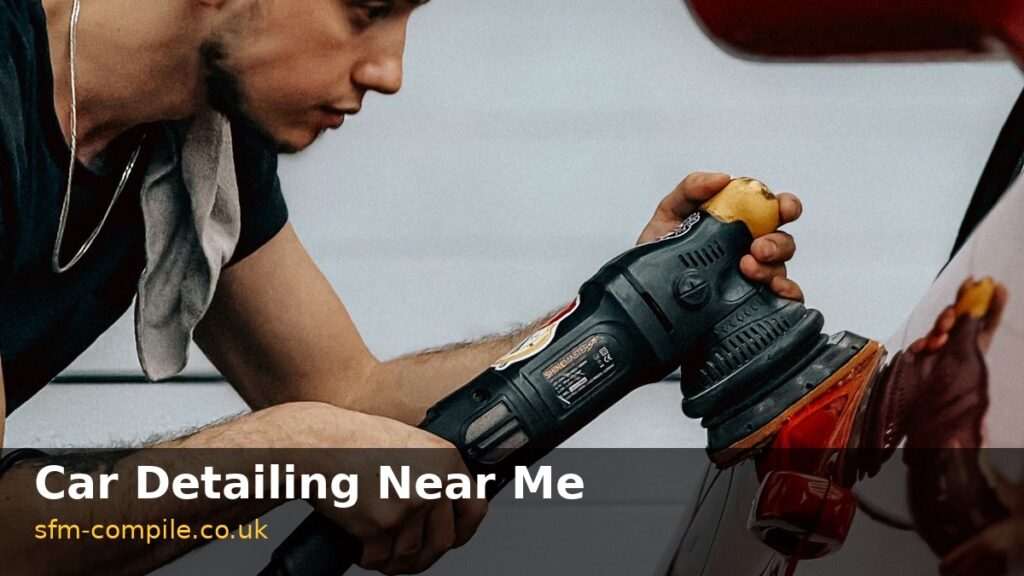
Paint correction is machine polishing with a dual-action or rotary polisher to remove swirl marks, holograms, light scratches, and oxidation from the clear coat. A single-stage correction removes light defects and restores gloss, while a two-stage correction tackles deeper marks. This is the most skilled part of detailing, and it is what separates a detailer from a valeter. Prices in the UK typically start from around £199 to £299 for a single-stage correction, depending on the size and condition of the car.
Ceramic Coating
A ceramic coating is a liquid polymer applied to the paintwork that bonds to the surface and creates a hard, hydrophobic layer. It makes water bead and sheet off, resists dirt and UV damage, and keeps the car looking freshly detailed for years rather than weeks. Professional ceramic coatings in the UK generally start from around £110 to £150 for a basic application on top of a prepared surface, rising considerably when combined with full paint correction.
Interior Detailing
Interior detailing covers a full vacuum of seats, carpets, mats, and the boot, steam cleaning or hot-water extraction of fabric upholstery, deep cleaning of leather followed by conditioning, cleaning of the dashboard, centre console, vents, and door cards, and streak-free cleaning of all interior glass. Pet hair removal, odour treatment, and stain removal are often available as extras.
Engine Bay Cleaning
A careful engine bay clean removes grease, dust, and grime from the engine compartment using degreasers, brushes, and low-pressure rinsing, with sensitive electrical parts protected. It is a popular service before selling a car or for owners who like everything under the bonnet to look as good as the bodywork.
Headlight Restoration
Cloudy or yellowed headlights are sanded, polished, and sealed to restore clarity. As well as improving the look of the car, it improves night-time visibility. In the UK, headlight restoration usually costs around £59 for a pair.
How Much Does Car Detailing Cost in the UK?
Prices vary by location, vehicle size, condition, and the detailer’s experience, but these are realistic UK ranges based on what professional detailing businesses charge. Expect quotes for car detailing near me to fall somewhere within these bands:
- Exterior safe wash and wax: £40 to £85
- Full detail (inside and out): £149 to £209 for a small to large car
- Single-stage paint correction: from £199 to £299
- Two-stage paint correction: from £299 and up
- Ceramic coating: from £110 to £150 as a standalone treatment, more with correction
- Headlight restoration (pair): around £59
- Interior deep clean: £95 and up
Be cautious of prices far below these ranges. Genuine detailing takes hours, uses professional-grade products, and requires skill. A very cheap “detail” is usually just a valet with a different label.
Mobile Detailing vs Studio Detailing
When you search for car detailing near me, you will find two types of service: mobile detailers who come to you, and studio detailers who work from a fixed unit.
Mobile detailing is convenient. The detailer arrives at your home or workplace with their own water, power, and equipment, and works on your driveway. It suits maintenance details, interior cleans, and one-stage work. The main limitation is the weather and light: machine polishing and ceramic coatings need a controlled environment, so heavy correction work is better done indoors.
A detailing studio offers controlled lighting, temperature, and dust levels, which matter for paint correction and ceramic coating. Studios can also offer services that need fixed equipment, such as ramp access. The trade-off is that you need to drop the car off and collect it later, and studio work usually costs more.
Many good detailers offer both. A practical approach is to use a mobile detailer for regular maintenance and a studio for paint correction or ceramic coating.
How to Find the Best Car Detailing Near Me
Typing “car detailing near me” into Google will show a map of local businesses, but the closest detailer is not always the best one. Here is how to choose well.
Check Reviews and Before-and-After Photos
Read Google reviews and look for detailers with a consistent record of positive feedback over months or years, not just a handful of recent reviews. Ask to see before-and-after photos of cars similar to yours, especially paint correction work. A good detailer is proud of their results and will happily show them.
Ask About Insurance
A professional detailer should carry public liability insurance and cover for vehicles in their care. This matters most for paint correction and machine polishing, where an inexperienced operator can damage paint. Do not be shy about asking for proof.
Find Out What Products They Use
Reputable detailers use professional brands and can explain what they use and why. You do not need to know every product name, but a detailer who can talk clearly about their wash method, decontamination steps, and protection options is usually a safe choice.
Ask the Right Questions
Before booking, ask: What exactly is included in the package? How long will it take? Do you use a two-bucket wash method? Is paint correction included, or is it charged separately? What protection do you recommend for my car? A clear, honest answer is a good sign. Vague answers are not.
Visit the Unit or Check Their Setup
If you are booking a studio detail, visit the premises if you can. A clean, well-organised unit with proper lighting is a good sign. For mobile detailers, check that they bring their own water and power, so the quality of the work does not depend on your driveway facilities.
Red Flags to Watch Out For
A few warning signs should make you look elsewhere. A detailer who promises to remove every scratch, including deep ones that have gone through the clear coat, is either inexperienced or dishonest, as some scratches cannot be polished out safely. A price far below the local average usually means corners are being cut, such as washing with a single bucket and a dirty sponge, which causes swirl marks. No insurance, no reviews, no photos of past work, and pressure to pay in full upfront are all reasons to pause. Finally, a detailer who cannot explain what they will do to your car in plain terms is best avoided.
How Often Should You Detail Your Car?
For most drivers, a full detail once or twice a year is enough, with regular washing and a maintenance valet in between. Cars kept outside, driven daily, or used on salty winter roads benefit from more frequent attention. A ceramic-coated car needs less frequent detailing, as the coating makes washing easier and protects the paint between visits. Classic cars and show cars are often detailed before events or before being stored for winter.
As a simple routine, wash the car safely every one to two weeks, book a full valet every two to three months, and book a full detail once or twice a year, or before selling the car.
Frequently Asked Questions
How do I find reliable car detailing near me?
Search Google Maps and read reviews, check before-and-after photos of the detailer’s past work, confirm they carry insurance, and ask what is included in the price before booking. A reputable detailer will answer all of these questions clearly.
How long does car detailing take?
A maintenance detail takes around two to three hours. A full detail takes four to eight hours, and paint correction with ceramic coating can take one to three days, depending on the condition of the paint.
Is car detailing worth the money?
Yes, if the car matters to you. Detailing restores paintwork, protects it for months or years, improves the cabin, and can add value when you sell. A well-maintained car with documented detailing history is more attractive to buyers.
Can detailing remove all scratches?
No. Machine polishing removes swirl marks and light scratches in the clear coat, but scratches that have gone through to the paint or primer cannot be polished out and need a body shop repair.
Should I choose a mobile detailer or a studio?
Choose mobile for convenience and maintenance work. Choose a studio for paint correction, ceramic coatings, and the highest-quality finish, where controlled lighting and conditions matter.
How do I maintain the car after a detail?
Wash it with the two-bucket method, use a pH-neutral shampoo, dry it with a clean microfibre towel, and avoid automatic brush car washes, which reintroduce swirl marks. Ask your detailer for aftercare advice specific to the protection they applied.
Conclusion
Finding good car detailing near me comes down to knowing what detailing really involves, what it should cost, and how to judge the person doing the work. A proper detail is not a quick wash with a fancy name: it is a skilled, methodical process that restores and protects your car inside and out. Check reviews, look at real before-and-after photos, confirm insurance, and ask clear questions before you book. Do that, and the car detailing near me search will lead you to a detailer worth returning to.