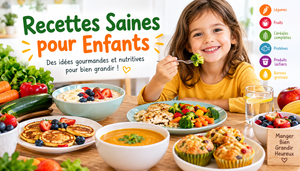
Finding meals that children actually want to eat while keeping them nutritious can be challenging. Parents often have to balance busy schedules, picky eating, different food preferences, and the need for wholesome ingredients. Fortunately, healthy cooking for children does not have to mean complicated recipes or hours in the kitchen.
Recettes saines pour enfants means healthy recipes for kids, and the best recipes are usually simple, colorful, nutritious, and enjoyable. From quick breakfasts and school lunches to after-school snacks and family dinners, there are many practical ways to make nutritious food part of a child’s everyday routine.
The goal is not to make every meal perfect. Instead, children benefit from being offered a wide variety of foods over time, including fruits, vegetables, grains, protein-rich foods, and suitable dairy or alternatives.
This guide explores easy recettes saines pour enfants, useful meal ideas, preparation tips, and simple ways to encourage children to develop positive eating habits.
What Are Recettes Saines pour Enfants?
The phrase recettes saines pour enfants refers to nutritious recipes designed with children’s needs, preferences, and eating abilities in mind.
A healthy children’s recipe generally focuses on a combination of nutritious ingredients rather than relying heavily on added sugar, excessive salt, or highly processed foods.
A balanced meal may include:
| Food Group | Examples | Why It Matters |
|---|---|---|
| Vegetables | Carrots, broccoli, peas, zucchini | Vitamins, minerals, and fiber |
| Fruits | Apples, bananas, berries, pears | Fiber and natural sweetness |
| Grains | Oats, rice, whole-grain bread, pasta | Energy and carbohydrates |
| Protein | Eggs, chicken, fish, beans, lentils | Growth and tissue maintenance |
| Dairy | Yogurt, milk, cheese | Protein and calcium |
| Healthy fats | Avocado, olive oil, nut butters | Essential fats and energy |
The exact amount a child needs depends on factors such as age, growth, appetite, activity, and individual nutritional requirements.
Why Healthy Food Is Important for Children
Children are constantly growing and developing. Their bodies need sufficient energy and nutrients to support normal growth, physical activity, concentration, and everyday life.
A varied diet can help children obtain nutrients from different food sources. Offering different fruits, vegetables, grains, and protein foods also helps children become familiar with a wider range of flavors and textures.
Healthy eating is not about banning favorite foods. Instead, it is about creating a balanced eating pattern in which nutritious foods are regularly available.
Parents can also model healthy habits by eating a variety of foods themselves. Children often learn about food by watching the adults around them.
Easy Recettes Saines pour Enfants for Breakfast
Breakfast does not have to be elaborate. A few basic ingredients can create a filling and nutritious start to the day.
Banana Oatmeal
Oatmeal is an easy breakfast that can be customized according to a child’s preferences.
Ingredients:
- ½ cup rolled oats
- ¾ cup milk
- 1 ripe banana
- Fresh berries or another soft fruit
- A pinch of cinnamon
Preparation:
Cook the oats and milk over low heat until soft and creamy. Mash half of the banana and mix it into the oatmeal. Add the remaining banana and fresh fruit before serving.
For younger children, make sure the consistency and ingredients are appropriate for their age and eating abilities.
Simple Banana Pancakes
Homemade pancakes can be a convenient breakfast or weekend treat.
Ingredients:
- 1 ripe banana
- 1 egg
- ½ cup oat flour
- A small amount of cooking oil
Mash the banana, add the egg, and mix thoroughly. Stir in the oat flour. Cook small portions in a lightly greased pan until completely cooked.
Serve with fresh fruit and plain yogurt instead of relying on large amounts of syrup or added sugar.
Yogurt and Fruit Breakfast Bowl
For a breakfast that requires almost no cooking, combine plain yogurt with sliced banana, berries, apple, or pear.
Add oats or another suitable whole-grain ingredient for extra texture. This can be assembled in just a few minutes on busy mornings.
Healthy Lunch Ideas for Kids
Lunch should provide enough variety to keep children satisfied while introducing them to different foods.
Chicken and Vegetable Rice Bowl
A rice bowl can be customized easily for different tastes.
Use cooked rice as the base and add fully cooked chicken, peas, carrots, and zucchini. A small amount of olive oil and mild herbs can add flavor.
Children can also help choose which vegetables they want in their bowl.
Vegetable Pasta
Pasta is a convenient family-friendly food that can be paired with vegetables and a protein source.
Cook pasta according to the package instructions. Prepare a simple tomato sauce with finely chopped carrots, zucchini, or bell peppers.
Add beans, lentils, chicken, fish, or another protein food according to your family’s preferences.
This is one of the easiest recettes saines pour enfants because the ingredients can be changed according to what is available at home.
Homemade Chicken Wrap
Use a whole-grain wrap with cooked chicken, lettuce, grated carrot, cucumber, and a small amount of plain yogurt sauce.
For younger children, cut the wrap into small, manageable pieces and adjust the ingredients to their eating abilities.
Recettes Saines pour Enfants with Vegetables
Vegetables are an important part of a varied diet, but many children go through periods when they reject certain vegetables.
Instead of giving up, try changing the cooking method or presentation.
Zucchini and Potato Patties
These small patties combine vegetables with familiar ingredients.
Ingredients:
- 1 zucchini
- 1 potato
- 1 egg
- A small amount of flour
- Mild herbs
- A little cooking oil
Grate the zucchini and potato and squeeze out excess moisture. Mix them with the egg and flour. Form small patties and cook until golden and fully cooked.
Serve with plain yogurt as a simple dip.
Creamy Carrot and Pumpkin Soup
A mild vegetable soup can be made with carrots, pumpkin, potato, and a small amount of onion.
Cook the vegetables until tender and blend until smooth. The natural sweetness of carrots and pumpkin can make this soup appealing to children.
You can serve it with whole-grain bread or a small sandwich.
Homemade Vegetable Pizza
Pizza can also become part of a balanced family meal.
Use a whole-grain base when available and add tomato sauce, vegetables, and cheese. Try toppings such as:
- Sweetcorn
- Bell peppers
- Mushrooms
- Tomatoes
- Zucchini
Let children choose one or two toppings. Giving them some control can make unfamiliar foods feel less intimidating.
Healthy Snack Recipes for Children
Snacks can be simple. Parents do not need to prepare elaborate recipes every afternoon.
Apple and Yogurt Snack
Slice an apple and serve it with plain yogurt.
For children who can safely eat nut products, an appropriate amount of smooth nut butter can also be paired with fruit, taking allergies and age-related choking risks into account.
Homemade Fruit Compote
Cook chopped apples or pears with a little water until soft. Mash or blend to the desired consistency.
There is generally no need to add sugar because ripe fruit already provides natural sweetness.
Oat and Apple Muffins
Homemade muffins allow you to control the ingredients.
Combine:
- Grated apple
- Oats
- Flour
- Eggs
- Plain yogurt
- Cinnamon
Bake until completely cooked. Allow the muffins to cool before serving.
They can be stored appropriately and used as a convenient occasional snack.
Quick Dinner Recipes for Kids
Dinner does not need to involve several complicated dishes.
Vegetable Omelet
Eggs can be combined with cooked vegetables for a quick dinner.
Add finely chopped spinach, zucchini, tomato, or other vegetables to beaten eggs. Cook thoroughly and serve with whole-grain bread and additional vegetables or fruit.
Baked Fish with Potatoes
A fully cooked fish fillet can be served with potatoes and soft vegetables.
Check carefully for bones before serving. Portions and food texture should be appropriate for the child’s age and eating skills.
Lentil and Vegetable Stew
Lentils provide plant-based protein and can be combined with vegetables in a simple stew.
Cook lentils with carrots, tomatoes, potatoes, and other vegetables until everything is tender. Adjust the consistency according to the child’s age.
This can also be prepared in advance, making it useful for busy families.
How to Make Healthy Recipes More Appealing to Kids
Even a nutritious recipe may be rejected if a child does not like its appearance or texture.
Fortunately, a few small changes can make healthy meals more inviting.
Use Different Colors
Children may find a colorful plate more interesting.
Try combining:
- Orange carrots
- Green broccoli
- Red tomatoes
- Yellow corn
- White rice
- Purple berries
There is no need to create complicated food art. A naturally colorful plate can already look appealing.
Let Children Help in the Kitchen
Age-appropriate kitchen tasks can make children more interested in food.
Depending on their age, children can:
- Wash fruits and vegetables
- Stir ingredients
- Choose between two vegetables
- Help arrange food on a plate
- Mix pancake batter
- Place toppings on homemade pizza
Always supervise children around knives, hot surfaces, ovens, and other kitchen equipment.
Offer Choices
Instead of asking, “What do you want for dinner?” offer two suitable options.
For example:
“Would you like carrots or peas?”
This gives children some control without requiring parents to prepare completely different meals.
Avoid Turning Meals Into a Battle
Children may refuse foods for many reasons. They may dislike a particular texture, smell, temperature, or appearance.
Repeated exposure can help children become more familiar with foods, so a rejected vegetable does not necessarily need to disappear from the menu permanently.
How to Reduce Added Sugar in Children’s Recipes
Many traditional children’s snacks and desserts can be prepared with less added sugar.
One practical approach is to use naturally sweet ingredients such as:
- Bananas
- Apples
- Pears
- Berries
- Dates in suitable recipes
For example, mashed banana can add sweetness to oatmeal or pancakes.
This does not mean children can never enjoy cakes, cookies, or other treats. The broader eating pattern matters more than trying to make every food completely sugar-free.
Healthy Alternatives to Common Kids’ Foods
Small changes can make familiar meals more nutritious without making them unrecognizable.
| Common Food | Healthier Homemade Approach |
|---|---|
| Sugary cereal | Oatmeal with fruit |
| Sweetened yogurt | Plain yogurt with berries |
| Packaged cookies | Homemade oat muffins |
| Fried chicken | Oven-baked chicken |
| Sugary drinks | Water or suitable unsweetened drinks |
| Processed pizza | Homemade vegetable pizza |
| French fries | Oven-baked potato wedges |
| Candy snack | Fruit with yogurt |
The goal is not to label foods as “good” or “bad.” Instead, families can focus on offering nutritious choices regularly while allowing room for occasional treats.
Meal Prep Tips for Busy Parents
Healthy cooking becomes easier when some preparation is done ahead of time.
Prepare Vegetables in Advance
Wash and cut vegetables that will be used within the appropriate storage period. Keep them refrigerated in suitable containers.
Cook Staple Foods in Batches
Preparing rice, pasta, lentils, or other staple foods in advance can save time during busy evenings.
Keep Easy Ingredients Available
A useful family kitchen may include:
- Eggs
- Oats
- Frozen vegetables
- Fresh fruit
- Plain yogurt
- Beans
- Lentils
- Rice
- Whole-grain bread
- Pasta
Frozen vegetables and fruit can be particularly convenient and can contribute to a varied diet.
Prepare Homemade Snacks
Muffins, pancakes, vegetable patties, or fruit compote can sometimes be prepared in batches and stored appropriately.
Always follow safe food-storage practices, especially for meals containing meat, fish, eggs, or dairy products.
A Simple Weekly Meal Idea
A weekly plan can reduce the stress of deciding what to cook every day.
| Day | Breakfast | Lunch | Snack | Dinner |
|---|---|---|---|---|
| Monday | Banana oatmeal | Chicken rice bowl | Apple and yogurt | Vegetable omelet |
| Tuesday | Banana pancakes | Vegetable pasta | Homemade muffin | Fish and potatoes |
| Wednesday | Yogurt and fruit | Chicken wrap | Banana | Lentil vegetable stew |
| Thursday | Oatmeal and berries | Rice with vegetables | Fruit compote | Homemade vegetable pizza |
| Friday | Egg and whole-grain toast | Chicken pasta | Yogurt and fruit | Fish with vegetables |
| Saturday | Homemade pancakes | Vegetable rice | Apple slices | Chicken and potatoes |
| Sunday | Fruit and oatmeal | Family meal | Homemade muffin | Vegetable soup and bread |
This is only a general example. Children’s nutritional needs vary, so meals and portions should be adapted accordingly.
Food Safety Tips for Children
Healthy ingredients are only part of safe eating. Food preparation also matters.
Wash fruits and vegetables appropriately and cook meat, poultry, eggs, and fish thoroughly.
Pay particular attention to foods that can create choking hazards for young children. Whole nuts, whole grapes, hard raw vegetables, popcorn, and certain other foods may require special preparation or avoidance depending on a child’s age and development.
Cut food into appropriate shapes and sizes and supervise young children while they eat.
Children with food allergies or specific medical or dietary needs may require individualized advice from a qualified healthcare professional.
How to Encourage Healthy Eating Habits
Healthy eating habits develop gradually.
Parents can encourage variety by regularly offering different foods without putting excessive pressure on children to eat them.
A useful approach is to include at least one familiar food alongside something less familiar. For example, if a child enjoys rice but dislikes broccoli, serve rice with a small amount of broccoli rather than presenting an entirely unfamiliar plate.
Family meals can also help children observe healthy eating patterns.
Most importantly, avoid making food a source of unnecessary anxiety. Children’s appetites can vary considerably from one day to another.
10 Easy Recettes Saines pour Enfants to Try
If you need a quick list of ideas, start with these:
- Banana oatmeal with berries
- Homemade banana pancakes
- Vegetable pasta with tomato sauce
- Chicken and vegetable rice bowls
- Zucchini and potato patties
- Carrot and pumpkin soup
- Homemade vegetable pizza
- Apple and yogurt snack
- Vegetable omelet with whole-grain toast
- Lentil and vegetable stew
These recipes can be modified according to ingredients available at home and the child’s preferences.
FAQ About Recettes Saines pour Enfants
What are the easiest recettes saines pour enfants?
Some of the easiest options include oatmeal with fruit, banana pancakes, vegetable pasta, omelets, homemade soup, yogurt with fruit, and rice bowls with vegetables and protein.
How can I get my child to eat more vegetables?
Offer vegetables regularly in different forms and avoid excessive pressure. Try roasting, steaming, blending, grating, or adding vegetables to familiar dishes. Letting children participate in food preparation can also increase their interest.
What is a healthy snack for children?
A simple snack can include fruit with plain yogurt, whole-grain toast, homemade muffins, or another nutritious combination appropriate for the child’s age and dietary needs.
Can children eat pasta as part of a healthy diet?
Yes. Pasta can be part of a varied diet. Pairing it with vegetables and a protein source can create a more balanced meal.
Are homemade pancakes healthier for kids?
Homemade pancakes give parents more control over ingredients and added sugar. Banana and oat pancakes can be made without relying on large amounts of added sugar.
How often should children eat vegetables?
Vegetables can be offered regularly as part of meals and snacks where appropriate. The important point is to provide variety over time rather than focusing on a single meal or day.
What should children drink with meals?
Water is generally an appropriate everyday beverage. Other drinks depend on the child’s age, overall diet, and individual needs. Sugary drinks are best limited.
How can I make healthy food more attractive to picky eaters?
Use familiar ingredients alongside new foods, offer different colors and textures, and give children limited choices. Avoid turning mealtimes into a battle.
Are healthy recipes suitable for toddlers?
Many healthy recipes can be adapted for toddlers, but ingredients, textures, portion sizes, and food shapes must be appropriate for their developmental stage. Particular attention should be paid to choking hazards.
Do healthy children’s recipes need to be expensive?
No. Nutritious meals can be made from affordable ingredients such as oats, potatoes, rice, beans, lentils, eggs, seasonal vegetables, and fruit. Planning meals and cooking at home can also help reduce food waste.
Conclusion
Preparing nutritious meals for children does not require complicated ingredients or elaborate cooking techniques. The best recettes saines pour enfants are often simple meals that combine familiar foods with a variety of fruits, vegetables, grains, and protein sources.
From banana oatmeal and vegetable pasta to homemade muffins, chicken rice bowls, vegetable omelets, and lentil stews, there are countless possibilities for creating family-friendly meals.
The most important approach is to focus on variety, balance, age-appropriate preparation, and a positive relationship with food. Give children opportunities to explore new flavors, involve them in the kitchen, and continue offering nutritious foods without unnecessary pressure.